Hyperlipidemia
- Home
- Hyperlipidemia
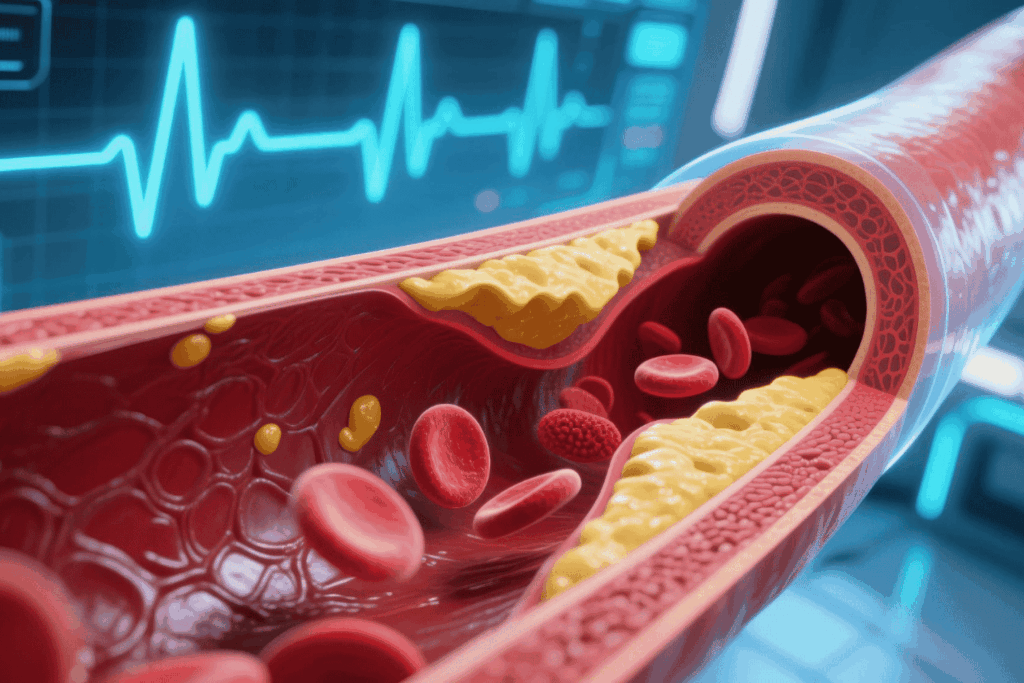
Managing High Cholesterol & Lipid Levels
Hyperlipidemia refers to elevated levels of cholesterol or other lipids in the blood. It is an important cardiovascular risk factor and may occur alongside hypertension, diabetes, obesity, and other metabolic conditions.
Because high cholesterol often does not cause obvious symptoms, routine assessment can play an important role in identifying cardiovascular risk.
At RR Medical & Research Centre, Dr. Niraj Bohania evaluates lipid-related concerns as part of a patient’s overall metabolic and cardiovascular health.
Comprehensive Lipid Assessment
Management may involve:
Review of lipid profile and relevant laboratory results
Assessment of cardiovascular risk factors
Review of medical and family history
Evaluation of associated conditions such as diabetes and hypertension
Lifestyle and dietary guidance
Medication review where clinically appropriate
Regular monitoring and follow-up
The appropriate approach depends on the individual’s overall health profile rather than cholesterol levels alone.
Supporting Cardiovascular Health
Lifestyle factors can have an important role in managing lipid levels. Depending on individual requirements, patients may receive guidance regarding healthy eating patterns, physical activity, weight management, tobacco avoidance, and other risk-reduction measures.
Patients who have diabetes, hypertension, obesity, or a history of cardiovascular disease may require particularly careful assessment of their overall risk profile.
Diagnostic Support
RR Medical & Research Centre provides pathology and laboratory services that can support appropriate medical evaluation and monitoring. Additional services such as ECG may also be used when clinically indicated as part of cardiovascular assessment.
Hyperlipidemia management is generally a long-term process. Regular follow-up helps monitor changes and allows the physician to review the management plan when required.
The objective is to support healthier lipid levels and reduce modifiable cardiovascular risk through personalised medical care, appropriate investigations, lifestyle guidance, and ongoing monitoring.
Our Services
Take the Next Step Towards Better Health
Get personalised medical care and comprehensive support for your health and wellbeing.