Coronary Artery Disease (CAD)
- Home
- Coronary Artery Disease (CAD)
Cardiovascular Risk Assessment & Medical Care
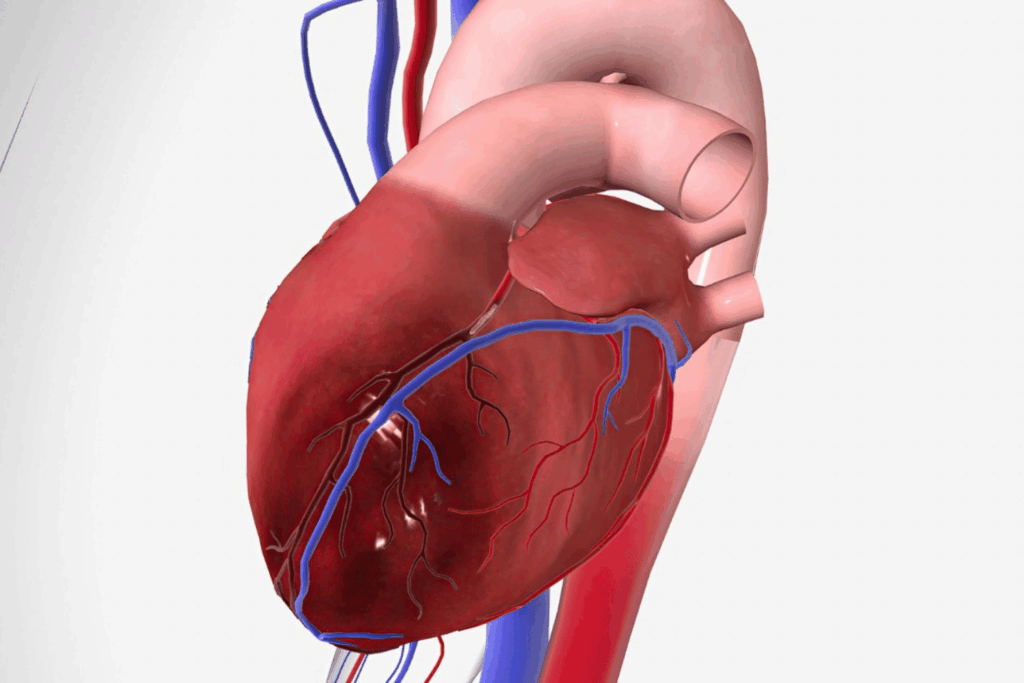
Coronary Artery Disease (CAD) occurs when the blood vessels supplying the heart become narrowed or affected by changes in the arterial walls. It is an important cardiovascular condition and may be associated with risk factors such as diabetes, hypertension, hyperlipidemia, obesity, smoking, and family history.
Dr. Niraj Bohania has a clinical focus on Cardiodiabetic and Metabolic Diseases, allowing cardiovascular risk factors to be considered as part of a patient’s overall medical assessment.
Evaluation of Cardiovascular Risk
Medical assessment may include:
Review of symptoms and medical history
Blood pressure evaluation
Assessment of diabetes and blood glucose status
Lipid and cholesterol assessment
Evaluation of lifestyle and family risk factors
Cardiovascular examination
ECG when clinically indicated
Appropriate laboratory investigations
Regular follow-up and monitoring
ECG & Diagnostic Support
RR Medical & Research Centre provides ECG services, which can support cardiac evaluation when medically appropriate. Laboratory services may also assist in assessing relevant cardiovascular and metabolic parameters.
Other diagnostic services, including X-ray and ultrasonography, are available at the centre and may be recommended depending on individual clinical requirements.
Managing Cardiovascular Risk Factors
CAD management often involves addressing multiple risk factors rather than focusing on one condition. This may include appropriate treatment for hypertension, diabetes, and hyperlipidemia, along with lifestyle and preventive guidance.
Patients should follow prescribed treatment plans and attend regular medical reviews. Symptoms such as significant chest discomfort, severe breathlessness, fainting, or other acute symptoms may require urgent medical attention.
Comprehensive Medical Approach
Because cardiovascular disease can coexist with metabolic conditions, Dr. Niraj’s approach considers the patient’s broader health profile.
The objective of medical management is to support cardiovascular health through appropriate assessment, risk-factor management, diagnostic evaluation, and long-term follow-up tailored to each patient’s needs.
Our Services
Take the Next Step Towards Better Health
Get personalised medical care and comprehensive support for your health and wellbeing.