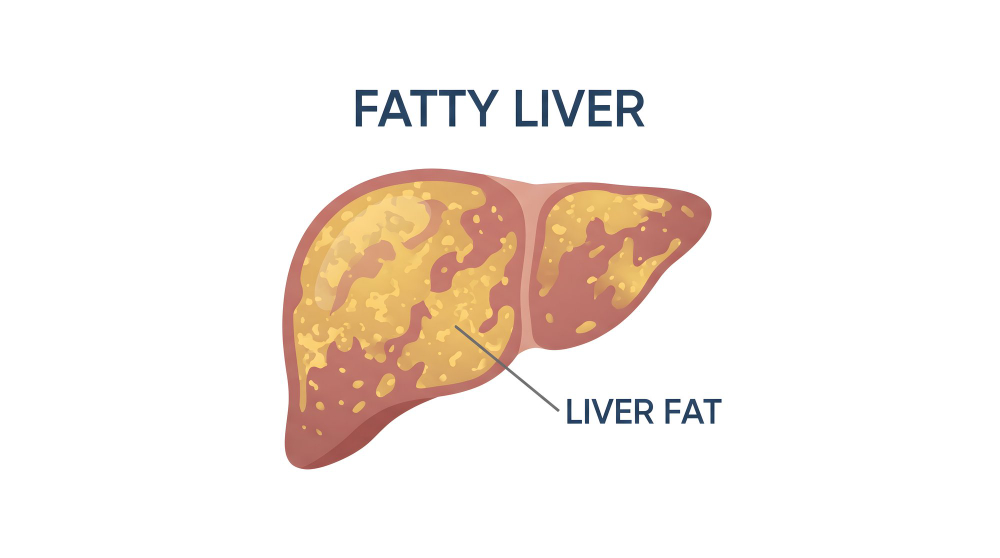
What is Fatty Liver?
Fatty liver means extra fat builds up in your liver. The liver is a large organ that helps clean your blood and digest food. When too much fat collects in the liver, it can cause fatty liver disease. This condition is common, but many people do not know they have it. Sometimes, fatty liver can lead to more serious health problems if not managed early. However, most people can improve their liver health with the right steps.
Common Causes of Fatty Liver
Many things can cause fatty liver. For example, eating too many fatty foods or drinking too much alcohol can lead to this problem. In addition, some people get fatty liver disease even if they do not drink alcohol. This is called non-alcoholic fatty liver disease (NAFLD). Other common causes include:
Because these causes are common, many people are at risk. Yet, making healthy choices can lower your risk.
Symptoms of Fatty Liver
Often, fatty liver symptoms are mild or not noticeable at first. For this reason, many people do not know they have fatty liver disease. Still, some people may notice:
Even if you feel fine, it is important to check with your doctor if you have risk factors. Early detection can help prevent further liver damage.
How Fatty Liver is Diagnosed
Doctors use several ways to diagnose fatty liver. First, they may ask about your health history and lifestyle. Next, they may do a physical exam. Blood tests can show if your liver is working well. Sometimes, doctors use imaging tests, such as:
In some cases, a liver biopsy may be needed. This means a small piece of liver tissue is checked under a microscope. However, most people do not need this test. With these tools, doctors can find fatty liver and decide on the best treatment for fatty liver disease.
Treatment Options for Fatty Liver
There is no single medicine for fatty liver disease. Still, many people can improve their liver health with lifestyle changes. Doctors may suggest:
Sometimes, doctors may recommend medicine to treat related problems, such as high blood sugar. Because early treatment helps prevent liver damage, it is important to follow your doctor’s advice.
Lifestyle Tips for Managing Fatty Liver
Making small changes can help manage fatty liver disease. For example, you can:
Because these steps support liver health, they can also improve your overall well-being. Over time, healthy habits make a big difference.
Preventing Fatty Liver
There are many ways to prevent fatty liver. For instance, you can:
Because prevention is easier than treatment, starting healthy habits early can protect your liver. Learning how to prevent fatty liver helps you stay healthy for years to come.
For expert guidance and personalised treatment options, Consult Dr. Niraj.