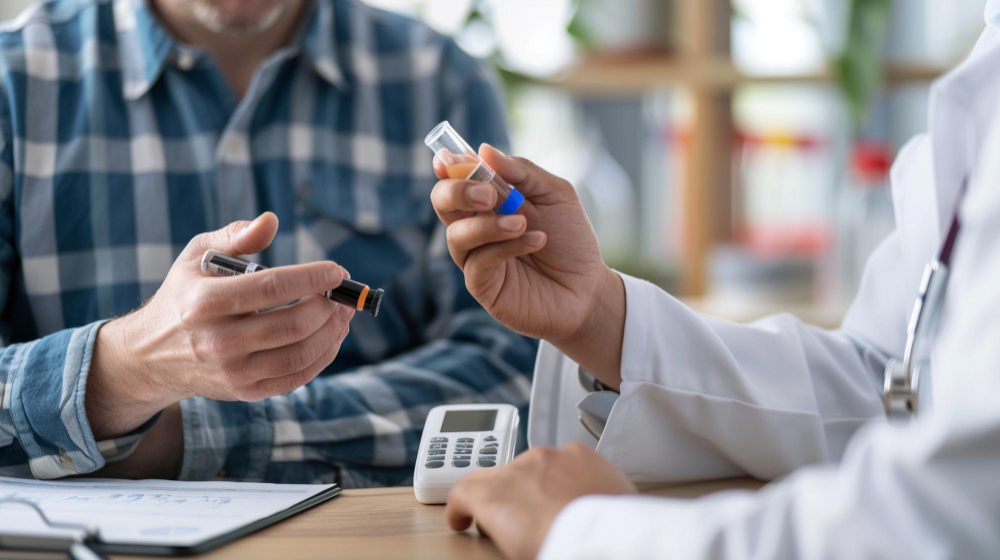
What Is Diabetes Screening?
Diabetes screening is a simple way to check if you have high blood sugar. Many people do not notice early signs of diabetes. Because of this, screening helps find diabetes before problems start. Doctors use tests to measure your blood sugar levels. These tests can spot diabetes or prediabetes early. Early detection of diabetes can help you stay healthy for longer.
Importance of Early Detection
Early detection of diabetes is very important. For example, catching diabetes early can prevent serious health problems. These problems may include heart disease, nerve damage, or vision loss. In addition, early treatment can help you control your blood sugar. As a result, you may avoid hospital visits or long-term issues. According to the CDC, early care can improve your quality of life.
Who Should Get Tested for Diabetes?
Not everyone needs diabetes screening at the same time. However, some people have a higher risk. You should get tested if you have any of these risk factors:
Even if you feel healthy, you may still need screening if you have these risks. Therefore, talk to your doctor about your risk factors.
When to Get Tested for Diabetes
Knowing when to screen for diabetes is important. The diabetes screening guidelines suggest:
For example, if you have high blood pressure or a family history, you may need screening sooner. Always ask your doctor how often you should get tested.
Types of Diabetes Screening Tests
There are several ways to screen for diabetes. Each test checks your blood sugar in a different way. Common diabetes screening tests include:
Each test has its own steps and timing. Your doctor will choose the best test for you.
How to Prepare for Diabetes Screening
Getting ready for diabetes screening is easy. Still, some tests need special steps. For example, you may need to fast (not eat or drink anything but water) for 8 hours before a fasting test. Other tests, like the A1C, do not need fasting. Always ask your doctor if you need to prepare. Bring a list of your medicines to your appointment. This helps your doctor understand your health better.
What to Expect During and After Screening
During diabetes screening, a nurse or doctor will take a small blood sample. Usually, this is quick and causes little pain. After the test, you may wait a few days for results. If your blood sugar is high, your doctor will talk to you about next steps. Sometimes, you may need more tests to confirm the results. If your results are normal, you may not need another test for a few years. However, your doctor may suggest more frequent tests if your risk changes.
Prevention and Lifestyle Tips for At-Risk Individuals
If you are at risk for diabetes, healthy habits can help. Even small changes can make a big difference. Try these tips:
Because prevention is possible, making these changes can lower your risk. If you have questions, your doctor or nurse can help you find the right plan.
Conclusion
If you have risk factors or are unsure about diabetes, schedule a screening with DR. Niraj. Early testing can help you take control of your health and prevent future problems.