Gastroesophageal Reflux Disease (GERD)
- Home
- Gastroesophageal Reflux Disease (GERD)
Medical Care for Acid Reflux & Digestive Symptoms
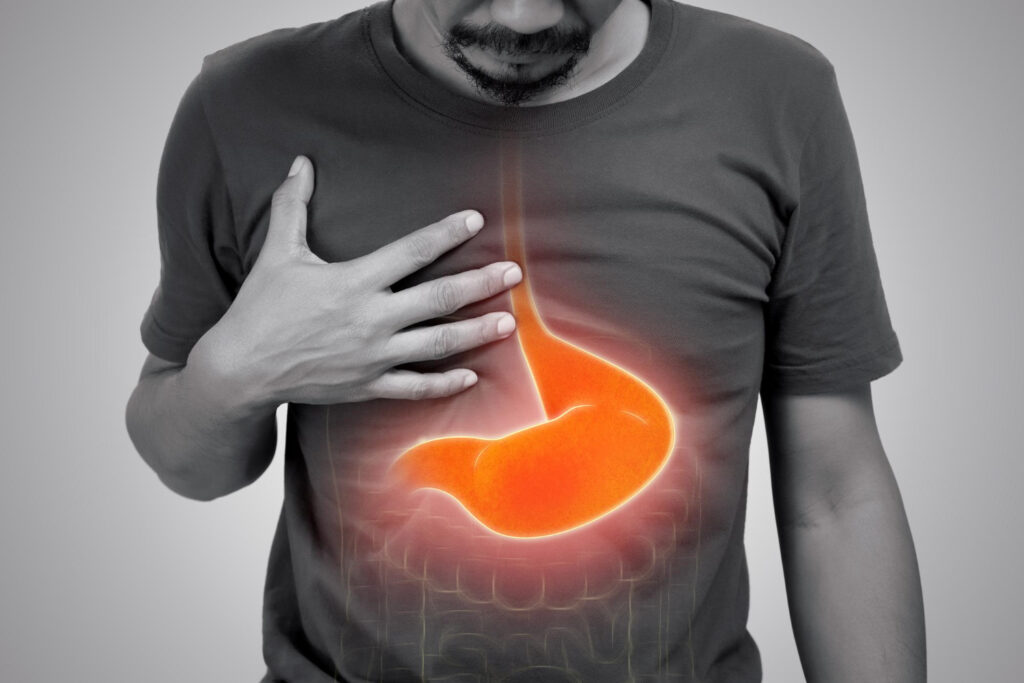
Gastroesophageal Reflux Disease (GERD) occurs when stomach contents repeatedly flow back into the oesophagus, potentially causing symptoms such as heartburn, acid reflux, regurgitation, or discomfort.
While occasional reflux can be common, persistent or troublesome symptoms may require medical evaluation.
Dr. Niraj Bohania provides clinical assessment and management of GERD as part of comprehensive Internal Medicine and Family Medicine care.
Understanding Your Symptoms
Assessment may include:
Detailed review of digestive symptoms
Evaluation of symptom frequency and patterns
Review of dietary and lifestyle factors
Medical history and medication review
Physical examination
Identification of symptoms requiring further evaluation
Appropriate investigations when clinically indicated
Lifestyle & Medical Management
Depending on the individual’s symptoms and medical assessment, management may involve lifestyle modifications and prescribed medical treatment.
Patients may receive guidance regarding:
Appropriate meal patterns
Identification of foods that worsen symptoms
Healthy weight management
Avoiding tobacco and other aggravating factors
Lifestyle habits that may reduce reflux symptoms
Appropriate use of prescribed medication
Persistent or changing symptoms should be discussed with a physician rather than being managed through self-medication alone.
Comprehensive Evaluation
GERD symptoms can sometimes overlap with other gastrointestinal or medical conditions. A detailed clinical assessment helps determine whether additional evaluation is required.
RR Medical & Research Centre provides OPD consultation, pathology and laboratory services, ultrasonography, and other diagnostic facilities that may support medical evaluation when appropriate.
The goal of GERD management is to improve symptom control, identify relevant contributing factors, and provide an appropriate long-term management plan based on the patient’s individual health needs.
Our Services
Take the Next Step Towards Better Health
Get personalised medical care and comprehensive support for your health and wellbeing.